Are Sign Language interpreters at musical concerts necessary?
- Xis Sign
- Nov 2, 2021
- 1 min read

Here are some vocabulary to describe a musical concert:
lively
loud
upbeat
instrumental
Hearing people go to music concerts to listen to the music.
Using the ability to hear, we feel the melody and the music.
How about Deaf people, what do they feel?
Or should the question be...
What feelings and experience would Deaf people have without the support of Sign Language interpreters?
Although Deaf people couldn't hear, they could feel the beat, or the musical "flow" (upbeat and downbeat).
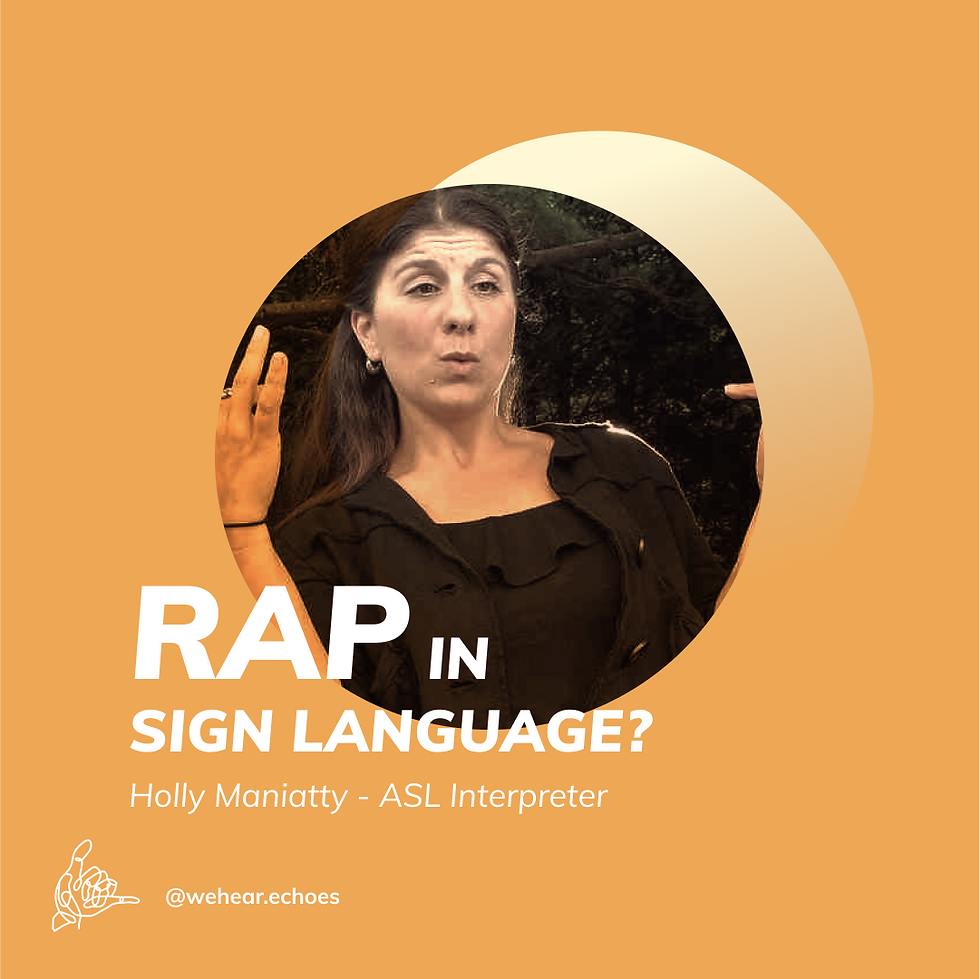
The role of Sign Language interpreters is not only translating the lyrics, but also the emotions in the musical pieces.
This explains why most interpreters would spend much of their time prior to the concert researching the background information of the singers, composers and talking to the Deaf viewers to understand their needs.
Interpreters also use facial expressions to convert music into Sign Language (watch this video below).
Indeed, the process of translating would face a number of difficulties as the grammar and vocabulary of sign languages and vocal languages are NOT SIMILAR.
Many hearing people thought that having Sign Language interpreters at musical concerts is a joke, and that it would be very costly and ineffective since Deaf people couldn't feel the music.
However, that is a very BIG MISUNDERSTANDING.
Deaf people could feel the music in an alternative way, using a visual method.
In America, it's compulsory for concerts' organizers to provide Sign Language interpreters if requested (the Americans with Disabilities Act, 1990)

References:


Comments